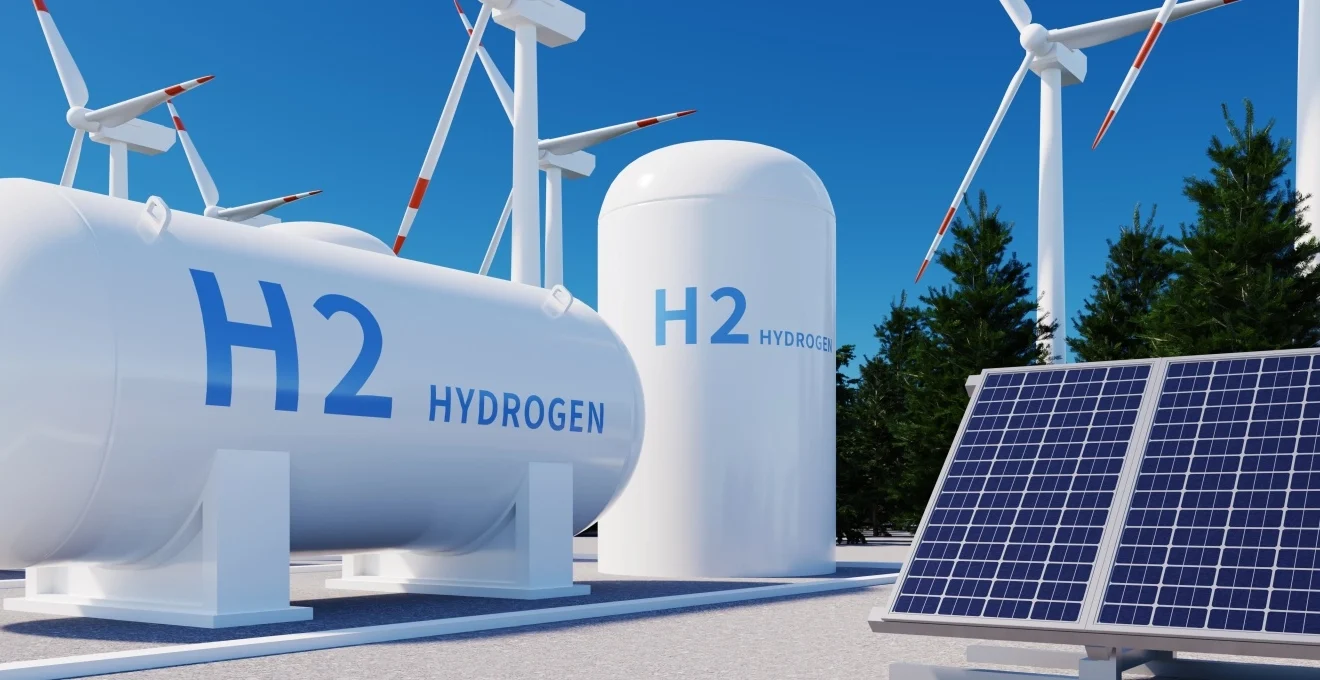
Remote industrial operations have long struggled with the limitations of traditional power generation methods, particularly in locations where grid connectivity remains absent or unreliable. The challenge becomes even more complex when you consider the hidden costs associated with diesel fuel logistics, regulatory compliance burdens, and environmental impact requirements that continue to evolve. Mobile hydrogen generators are emerging as transformative solutions that address these fundamental constraints while offering unprecedented flexibility and environmental benefits. These advanced systems represent a paradigm shift from fuel-dependent operations to clean energy independence, enabling industries to operate efficiently in the most challenging environments without compromising on performance or sustainability.
The technology combines proven fuel cell principles with innovative mobility features, creating power solutions that can be rapidly deployed and relocated as operational needs change. Unlike traditional diesel generators that require extensive site preparation and ongoing fuel deliveries, mobile hydrogen systems arrive as integrated units ready for immediate deployment. This capability is particularly valuable for industries facing increasingly stringent environmental regulations and corporate sustainability mandates that make conventional fossil fuel solutions economically and legally challenging.
Growing role of mobile hydrogen in remote energy
The expansion of mobile hydrogen technology in remote energy applications reflects a fundamental shift in how industries approach off-grid power challenges. Traditional approaches centered on maximizing generator capacity and fuel storage have given way to strategies emphasizing energy independence, environmental compliance, and operational flexibility. This transformation is driven by multiple factors including regulatory changes, technological advancement, and evolving corporate sustainability requirements that make hydrogen solutions increasingly attractive compared to conventional alternatives.
Market adoption patterns reveal that early implementers are achieving significant operational advantages beyond simple emissions reduction. Companies like EODev are pioneering deployable fuel cell solutions that demonstrate how mobile hydrogen systems can transform energy constraints into competitive advantages. These solutions enable operations in previously inaccessible locations while meeting stringent environmental standards that traditional generators cannot satisfy.
Expanding clean alternatives for isolated work sites
Construction and industrial sites in remote locations face unique power challenges that traditional generators struggle to address efficiently. Mobile hydrogen generators provide zero-emission power that eliminates the need for complex fuel logistics while meeting increasingly strict environmental compliance requirements. The technology proves particularly valuable for projects in environmentally sensitive areas where diesel generators may be prohibited or heavily restricted.
Deployment data from field installations shows that hydrogen systems can operate continuously for weeks without requiring fuel deliveries, compared to diesel generators that typically need weekly or bi-weekly fuel replenishment. This extended autonomy reduces operational complexity and eliminates the risks associated with fuel transport delays, particularly during adverse weather conditions that can halt conventional fuel delivery schedules.
Supporting resilient infrastructure in harsh geographic conditions
Remote infrastructure installations often occur in challenging geographic environments where traditional power solutions face significant limitations. Mobile hydrogen generators excel in these conditions because they eliminate many weather-related vulnerabilities that plague conventional systems. Fuel cells operate effectively across wide temperature ranges and are less susceptible to altitude effects compared to internal combustion engines.
The modular design of modern hydrogen systems allows for rapid scaling based on changing power requirements throughout project lifecycles. This scalability proves essential for infrastructure development where initial power needs may be minimal but grow substantially as projects progress. Unlike diesel systems that require complete generator replacement to increase capacity, hydrogen units can be supplemented with additional modules to meet evolving demands.
Reducing reliance on diesel fuel logistics
Fuel logistics represent one of the largest hidden costs in remote power operations, often adding 20-40% to total operational expenses through transport fees, storage requirements, and delivery scheduling complexities. Mobile hydrogen systems fundamentally alter this equation by storing energy in molecular form rather than requiring regular fuel deliveries. A single hydrogen delivery can support operations for extended periods, eliminating the recurring logistics burden that makes diesel systems expensive in remote locations.
The economic impact becomes particularly pronounced for sites located more than 100 kilometers from fuel depots, where transportation costs compound rapidly. Research indicates that diesel transport adds approximately 0.2 cents per kilowatt-hour for every 100 kilometers of trucking distance, creating substantial cost penalties for truly remote operations. Hydrogen systems avoid these recurring transport costs while providing predictable energy pricing that simplifies budget planning for long-term projects.
Key technologies powering modern mobile hydrogen generators
The technological foundation of mobile hydrogen generators represents a convergence of several advanced engineering disciplines, each contributing essential capabilities that enable reliable
performance in demanding off-grid environments. At the core, fuel cell stacks convert hydrogen into electricity through an electrochemical reaction rather than combustion, while advanced storage, power electronics, and digital monitoring make these systems safe, compact, and easy to operate. Understanding these underlying technologies helps you evaluate different mobile hydrogen generators and match them to your specific operational requirements.
Compact fuel cell stacks for portable units
Modern mobile hydrogen generators rely on compact fuel cell stacks that deliver high power density in a relatively small footprint. Proton Exchange Membrane (PEM) fuel cells dominate this segment because they operate at lower temperatures, respond quickly to load changes, and can be packaged into rugged, transportable enclosures. For many off-grid applications, this means you can replace bulky diesel generators with systems that occupy less space while providing comparable or higher electrical output.
Manufacturers such as EODev have demonstrated how modular fuel cell architecture supports different power classes, from smaller kW-scale units for telecom towers up to larger solutions for construction sites and events. Because fuel cells generate electricity through a chemical process rather than mechanical movement, there are fewer wear components, which translates into lower maintenance requirements over the system’s lifetime. This reliability makes fuel cell stacks particularly well suited for remote operations where dispatching technicians is costly and time-consuming.
Another advantage of compact fuel cell design is its scalability. By stacking multiple modules in parallel, operators can increase capacity without completely redesigning the system or upgrading cabling and switchgear. This modularity supports a “grow as you go” approach: you can start with a smaller unit for initial phases of a project and add extra stacks as power demand ramps up. In practical terms, fuel cell generators function more like building blocks than monolithic engines, giving project managers the flexibility to right-size power systems over time instead of overinvesting upfront.
Advanced hydrogen storage for improved safety
Safe and efficient storage is central to any mobile hydrogen power solution. Modern systems typically use high-pressure composite cylinders, often at 350 or 700 bar, designed to meet stringent international standards for crash resistance, leak prevention, and thermal stability. These cylinders are engineered with multiple layers of protection, including liners, carbon-fiber reinforcement, and pressure relief devices that control venting under abnormal conditions. For operators used to handling diesel, the level of engineering behind hydrogen storage often exceeds what they see with conventional fuel tanks.
In addition to physical robustness, advanced storage configurations focus on containment and integration. Cylinders are usually housed within protective frames or cabinets that shield valves and connections from accidental impacts during transport or site operations. Many mobile hydrogen generators use standardized container formats—such as 10-foot or 20-foot modules—that simplify logistics, making hydrogen deliveries and swaps as straightforward as moving other containerized equipment. This is especially valuable in off-grid environments where material handling equipment is limited and safety margins must be high.
Beyond conventional compressed gas, emerging technologies like metal hydride storage and cryogenic liquid hydrogen are starting to appear in niche applications, offering improved volumetric density or simplified handling. While these are not yet the default choice for most mobile deployments, their development signals a trajectory toward even safer and more compact storage options. Combined with rigorous safety training, automated leak detection, and clear operating procedures, these storage technologies make hydrogen power a viable option even for sites with strict safety and environmental guidelines.
Integrated monitoring systems for real time control
Digital monitoring and control systems are the “brain” of modern mobile hydrogen generators, ensuring optimal performance and safe operation in real time. These platforms continuously track parameters such as stack temperature, hydrogen pressure, power output, and battery state of charge in hybrid systems. Operators can view this information through local HMIs or secure cloud dashboards, allowing them to make informed decisions about fuel logistics, load management, and maintenance scheduling without being physically present at the site.
Remote connectivity is particularly important for critical off-grid installations, where early detection of anomalies can prevent unplanned outages. Many systems incorporate predictive analytics that flag potential issues before they impact operations—for example, by identifying trends in stack efficiency or abnormal pressure drops that might indicate a developing leak or component degradation. This moves maintenance from a reactive model to a proactive strategy, which is crucial when your sites are hundreds of kilometers from the nearest service team.
Integrated control systems also manage energy flows between hydrogen fuel cells, batteries, and any connected renewable sources such as solar arrays. By optimizing when the fuel cell runs at its most efficient operating point and when batteries supply short bursts of peak power, these controllers maximize overall efficiency and extend the life of both subsystems. For operators, the result is a mobile hydrogen generator that behaves more like a smart microgrid than a simple standby unit, automatically adjusting to changing loads and environmental conditions.
Operational advantages for critical off grid installations
As more industries depend on digital systems, sensors, and automated equipment, the stakes of power reliability in off-grid environments continue to rise. Mobile hydrogen generators are increasingly selected not just for their low emissions, but for how they enhance operational resilience where outages can have outsized financial or safety consequences. From environmental monitoring stations to emergency response hubs, hydrogen-based systems offer characteristics that diesel and traditional batteries alone struggle to match.
Reliable backup for sensitive monitoring equipment
Many remote installations host sensitive monitoring and telemetry equipment—such as environmental sensors, pipeline monitoring systems, and weather stations—that require uninterrupted, high-quality power. Voltage fluctuations, frequent restarts, or prolonged outages can lead to data gaps, corrupted records, or even hardware damage. Fuel cell-based mobile hydrogen generators deliver stable DC power with minimal electrical noise, providing a cleaner supply compared to combustion engines that often exhibit variable output under changing loads.
Where traditional batteries alone might provide only a few hours or days of autonomy, hydrogen systems can extend reliable operation to weeks or months when properly dimensioned. This is especially important for sites in harsh or inaccessible terrain, where reaching the equipment for repairs may be impossible during certain seasons. By minimizing the number of interventions required over a project’s lifetime, mobile hydrogen systems help operators maintain continuous data streams—whether for regulatory reporting, scientific research, or commercial asset management.
In many cases, you can integrate hydrogen generators with existing battery-based systems to create hybrid architectures that maximize uptime. Batteries can handle short-term fluctuations and provide ride-through during maintenance, while hydrogen fuel cells ensure long-duration backup without the degradation issues that plague batteries under constant cycling. For organizations responsible for critical monitoring, this combination reduces the risk of losing vital data at the exact moment it is most needed, such as during extreme weather events or infrastructure failures.
Continuous service for emergency response operations
Emergency response and disaster relief operations demand power solutions that are fast to deploy, reliable under stress, and capable of running for extended periods without complex logistics. Mobile hydrogen generators are well-suited to this context because they can be rapidly transported, set up in a matter of hours, and scaled as needs evolve on the ground. In scenarios where roads are damaged or fuel supplies disrupted, relying on continuous diesel deliveries becomes risky, whereas pre-positioned hydrogen modules can provide a more predictable power reserve.
For field hospitals, command centers, or temporary shelters, continuous power is not a convenience—it is a lifesaving necessity. Fuel cells operate quietly, with no combustion exhaust, allowing them to be placed closer to occupied structures without compromising air quality or communications. This not only improves the working environment for first responders and medical staff, but also simplifies layout planning in congested or constrained sites where space is at a premium.
Another operational advantage is the ability to integrate hydrogen generators with mobile communications and satellite systems, ensuring that connectivity remains intact throughout a crisis. When combined with portable renewables such as foldable solar arrays, hydrogen units can serve as the backbone of an autonomous microgrid that keeps radios, servers, refrigeration, and medical devices running even when the wider grid is offline for days. For agencies tasked with disaster preparedness, investing in mobile hydrogen capacity can be a strategic way to enhance resilience and reduce dependence on volatile fuel supply chains.
Quiet operation suitable for residential proximity
Noise is an often underappreciated factor in off-grid power planning, especially when installations operate close to residential areas, temporary worker accommodations, or protected wildlife habitats. Diesel generators are notorious for their acoustic footprint, which can trigger complaints, limit permitted runtime, or require additional noise mitigation measures. Hydrogen fuel cells, by contrast, produce power through an electrochemical process with no combustion, resulting in very low noise levels—typically limited to auxiliary components such as cooling fans.
This quiet operation opens new possibilities for placing power units closer to where energy is needed, without compromising comfort or violating local noise regulations. For example, construction compounds in urban infill projects can deploy mobile hydrogen generators adjacent to site offices or residential boundaries with far less disruption than diesel alternatives. Event organizers can also take advantage of low-noise hydrogen systems to power stages, lighting, and broadcast equipment in noise-sensitive venues, improving both audience experience and community relations.
From a planning perspective, the reduced noise profile simplifies compliance with environmental and occupational health standards, which are becoming more stringent across many jurisdictions. You can think of mobile hydrogen generators as the “silent engines” of off-grid power—present and reliable, but acoustically unobtrusive. When combined with their absence of exhaust fumes, this makes them particularly attractive wherever human comfort, worker wellbeing, or ecological sensitivity are high priorities.
Environmental impact on remote infrastructure development
Beyond direct operational benefits, mobile hydrogen generators have a substantial impact on the environmental profile of remote infrastructure projects. As regulators, investors, and communities scrutinize lifecycle emissions and ecological disturbance more closely, the choice of temporary and backup power solutions now plays a visible role in project approvals and financing. Hydrogen-based systems enable organizations to align off-grid operations with broader climate and sustainability strategies without compromising on reliability.
Lower emissions across construction project lifecycles
Traditional diesel generators contribute significantly to Scope 1 and Scope 3 emissions over the lifecycle of construction and infrastructure projects. This impact is magnified on remote sites that require additional fuel transport and frequent maintenance trips, compounding the carbon footprint. By replacing or supplementing diesel with mobile hydrogen generators—especially when supplied with green hydrogen produced from renewable electricity—project developers can cut operational emissions dramatically, often by 80–100% for the power segment alone.
These reductions matter not only for climate reporting, but also for meeting the eligibility criteria of green financing instruments and public tenders that specify strict emissions thresholds. As more clients demand verifiable carbon reductions in their supply chains, contractors who deploy hydrogen-based temporary power can differentiate themselves in competitive bids. Over multi-year projects, this shift can translate into both lower carbon intensity per unit of output and improved access to sustainability-linked funding.
The environmental benefits extend into decommissioning and site restoration phases as well. Because mobile hydrogen generators do not require permanent fuel storage infrastructure, earthworks, or complex remediation, the footprint left behind is smaller and easier to rehabilitate. This is particularly valuable in ecologically sensitive regions where minimal disturbance is a condition of project approval. In effect, hydrogen power helps align short-term construction activities with long-term stewardship obligations.
Reduced noise pollution near protected natural areas
Many remote infrastructure projects intersect with or border protected natural areas, national parks, or conservation zones where noise pollution can disrupt wildlife and conflict with preservation goals. The quiet operation of hydrogen fuel cells significantly reduces acoustic disturbance compared to diesel engines, which can be heard over long distances and may alter animal behavior. For developers tasked with minimizing ecological impact, this characteristic alone can be a compelling reason to adopt mobile hydrogen generators.
In practice, lower noise levels allow construction teams to operate closer to sensitive boundaries without exceeding permitted decibel thresholds. This can shorten cable runs, simplify logistics, and reduce the need for additional sound barriers or restricted working hours. For research stations or eco-tourism facilities in remote regions, hydrogen power also maintains the natural soundscape that visitors and researchers expect, enhancing both user experience and environmental integrity.
Regulators are increasingly attentive to cumulative environmental impacts that go beyond visible emissions, including vibration, noise, and light pollution. By integrating quieter power solutions into project designs from the outset, you can proactively address these concerns and reduce the risk of delays linked to community objections or environmental non-compliance. Hydrogen generators therefore act not just as a technical upgrade, but as a practical tool for smoother stakeholder engagement around remote infrastructure development.
Supporting corporate climate aligned project frameworks
Many organizations now operate under corporate climate frameworks that commit them to science-based emissions targets, net-zero timelines, or sector-specific decarbonization pathways. Remote and temporary operations, once considered marginal, are increasingly included in these calculations through expanded Scope 3 accounting and ESG (Environmental, Social, and Governance) disclosure requirements. Mobile hydrogen power aligns well with these frameworks by providing a tangible, measurable way to decarbonize historically “hard-to-abate” off-grid activities.
For example, adopting hydrogen generators for backup power in remote telecom sites or construction compounds can be reflected directly in emissions inventories and sustainability reports. This not only helps meet internal targets, but also improves transparency for investors and regulators who are scrutinizing how companies plan to decouple growth from fossil fuel use. In many cases, demonstrating adoption of innovative low-carbon technologies can strengthen a company’s position in ESG ratings and climate-related financial disclosures.
From a practical standpoint, integrating hydrogen power into project planning encourages cross-functional collaboration between sustainability teams, operations managers, and finance departments. Instead of treating temporary power as a fixed cost, companies can evaluate it as a strategic lever for climate performance and reputational value. In this sense, mobile hydrogen generators function like a bridge between high-level climate commitments and day-to-day site operations, turning abstract goals into visible, on-the-ground action.
Future prospects for scalable off grid hydrogen networks
While today’s mobile hydrogen generators already deliver meaningful advantages over diesel, the broader trajectory points toward interconnected, scalable hydrogen networks that support entire regional ecosystems of off-grid and weak-grid operations. As renewable energy deployment accelerates and hydrogen supply chains mature, we can expect mobile systems to evolve from standalone assets into components of flexible, service-based energy platforms. For organizations planning long-term infrastructure strategies, understanding where the technology is heading can inform smarter investments today.
Integration with renewable microgrids in remote regions
One of the most promising developments is the integration of mobile hydrogen generators with renewable microgrids in remote regions. Solar, wind, and small hydro installations can produce electricity at low marginal cost, but their variability poses challenges for maintaining stable power around the clock. By adding electrolyzers and hydrogen storage to these systems, excess renewable energy can be converted into hydrogen during periods of surplus and used later in fuel cells when production drops—a bit like turning sunlight and wind into a long-lasting, transportable battery.
In practice, this means that communities, mining operations, or research stations can design microgrids where hydrogen provides seasonal or multi-week storage, complementing batteries that handle short-duration fluctuations. Mobile hydrogen generators then serve as flexible endpoints within this ecosystem, deploying wherever additional power or backup capacity is needed. For island grids or landlocked regions with weak interconnections, such hybrid microgrids can dramatically enhance energy security while reducing dependence on imported fuels.
As electrolyzer costs fall and renewable penetration rises, hydrogen-enabled microgrids are likely to become more cost-competitive, especially in locations with high diesel prices or strict emissions regulations. For operators, the key opportunity is to think beyond single-site deployments and consider how multiple remote operations might share hydrogen production, storage, and logistics—turning a series of isolated power challenges into a coordinated, resilient energy network.
Standardized modules for rapid project deployment
Standardization is another trend that will reshape how quickly and efficiently mobile hydrogen solutions can be deployed. Today, many projects still involve custom engineering and site-specific integration, which can extend lead times and increase costs. However, manufacturers are moving toward standardized, plug-and-play modules—both for power units and hydrogen storage—that can be deployed like interchangeable building blocks across different sites and industries.
These containerized modules often come pre-certified and pre-wired, with integrated safety systems and standardized connection points for power, data, and hydrogen supply. For project developers, this means you can shorten the design and permitting phase, reduce on-site installation complexity, and scale capacity by simply adding more units. It’s similar to how modular data centers or pre-fabricated building components transformed their respective sectors by reducing custom work and accelerating timelines.
Standardization also supports better interoperability between suppliers and regions. If hydrogen storage and generator interfaces follow common specifications, logistics providers and service companies can build consistent processes around transport, refueling, and maintenance. Over time, this can help drive down total cost of ownership for mobile hydrogen systems and make it easier for smaller organizations to adopt the technology without needing specialized in-house expertise.
New business models for service based energy
As mobile hydrogen generators become more capable and standardized, new business models are emerging that shift energy from a capital expense to a service. Instead of purchasing and operating generators outright, organizations can subscribe to “power-as-a-service” offerings where providers deliver, fuel, maintain, and remotely monitor hydrogen units in exchange for a predictable fee per kilowatt-hour or per project. This model mirrors trends in other sectors, such as software-as-a-service or fleet leasing, where users prioritize flexibility and outcomes over asset ownership.
For many companies, especially those with fluctuating or project-based power needs, service-based hydrogen solutions reduce financial and operational risk. You avoid large upfront capital investments, complex fuel contracts, and specialized training, while still capturing the benefits of zero-emission, low-noise off-grid power. Providers can aggregate demand across multiple clients, optimize hydrogen logistics at scale, and invest in continuous technology upgrades that individual users might struggle to justify.
Looking ahead, we may see integrated platforms where mobile hydrogen generators, renewable assets, and storage are orchestrated through digital marketplaces that balance supply and demand in real time. In such ecosystems, you could request additional clean power for a new site, and a provider would route the nearest available unit, fuel supply, and support team automatically—much like booking a logistics service today. This evolution from standalone equipment to networked, service-based energy has the potential to make hydrogen-powered off-grid solutions more accessible, economical, and scalable than ever before.