Green energy and energy transition
The way the world produces and consumes energy is changing faster than at any point in modern history. For more than a century, economies have relied overwhelmingly on coal, oil, and natural gas. Today, a combination of climate concerns, falling technology costs, and evolving regulations is driving a profound shift toward cleaner sources of power. This shift is commonly referred to as the energy transition, and green energy sits at the very heart of it.
If you are new to the topic, the sheer volume of information can feel overwhelming. Solar panels, wind farms, heat pumps, battery storage, smart grids — the vocabulary alone can be intimidating. This page brings the essentials together in one place, explaining what green energy actually is, why the transition matters, how the main technologies work, and what practical steps individuals and organizations can take.
What Is Green Energy?
Green energy refers to electricity and heat generated from renewable natural resources that replenish themselves naturally and produce little to no greenhouse gas emissions during operation. Unlike fossil fuels, which take millions of years to form and release carbon when burned, renewable sources draw on energy flows that are constantly renewed: sunlight, wind, moving water, heat from the earth, and organic matter.
It is worth distinguishing between three related terms that are often used interchangeably but do not mean exactly the same thing:
- Renewable energy comes from sources that regenerate naturally, such as sunlight or wind.
- Green energy is a subset of renewables with minimal environmental impact across their lifecycle.
- Clean energy is a broader umbrella that can include technologies like nuclear power, which is low-carbon but not renewable.
In everyday conversation, the distinctions often blur, and that is fine. What matters is the underlying idea: producing energy without depleting resources or destabilizing the climate.
Why the Energy Transition Matters
The energy sector is the largest single contributor to global greenhouse gas emissions. Burning fossil fuels for electricity, heating, and transportation releases carbon dioxide and other pollutants that warm the planet and degrade air quality. The energy transition addresses both problems at once by replacing polluting sources with cleaner alternatives.
But the transition is not only about the environment. It also reshapes economies and daily life in tangible ways:
- Energy independence: Countries that generate power from local renewable resources rely less on imported fuels, which reduces exposure to price shocks and geopolitical tension.
- Falling costs: The price of solar panels and wind turbines has dropped dramatically over the past decades, making renewable electricity the cheapest option in many markets.
- Job creation: Installing, maintaining, and managing renewable infrastructure creates local employment that cannot be outsourced.
- Healthier air: Fewer combustion emissions mean fewer respiratory illnesses and lower healthcare burdens.
The Main Sources of Green Energy
Each renewable technology has its own strengths, constraints, and ideal use cases. Understanding the basics helps you make sense of news, policy debates, and personal decisions.
Solar Energy
Solar photovoltaic (PV) panels convert sunlight directly into electricity. They work on any scale, from a single rooftop panel to utility-scale solar farms covering hundreds of acres. Costs have fallen so steeply that rooftop solar is now cost-effective for many homeowners, particularly in sunny regions. Solar paired with a home battery can also provide backup power during outages.
Wind Energy
Wind turbines convert the kinetic energy of moving air into electricity. Onshore wind farms are among the cheapest sources of new electricity in many countries, while offshore turbines capture stronger, steadier winds at sea. Wind and solar complement each other well: storms and cloudy days often bring strong winds, and calm sunny days favor solar.
Hydropower
Hydroelectric dams generate power from flowing water and remain the largest source of renewable electricity worldwide. While large dams can raise environmental and social concerns, smaller run-of-river installations and pumped-storage facilities play a valuable role, especially in providing flexibility when other renewables fluctuate.
Geothermal Energy
Geothermal systems tap the steady heat beneath the earth’s surface. At utility scale, geothermal plants deliver reliable, round-the-clock electricity in favorable regions. At the household level, geothermal (ground-source) heat pumps use stable underground temperatures to heat and cool buildings very efficiently.
Biomass and Biogas
Organic materials — agricultural residues, wood waste, food scraps — can be burned or digested to produce heat, electricity, or renewable natural gas. When sourced sustainably, these fuels can turn waste streams into useful energy, though care is needed to avoid competition with food production or deforestation.
Key Enabling Technologies
Generating clean electricity is only half the challenge. Because sources like sun and wind are intermittent, the transition depends heavily on technologies that store, move, and manage energy intelligently.
- Battery storage: From home batteries to grid-scale facilities, batteries store surplus renewable power for use when generation drops, smoothing out daily and seasonal variations.
- Smart grids: Modernized electricity networks use digital monitoring and automation to balance supply and demand in real time and integrate millions of distributed sources.
- Heat pumps: These devices move heat rather than generate it, delivering several units of heating or cooling for every unit of electricity consumed — a cornerstone of electrifying buildings.
- Green hydrogen: Produced by splitting water with renewable electricity, hydrogen can decarbonize sectors that are hard to electrify, such as heavy industry and long-haul transport.
- Electric vehicles: EVs cut transport emissions and, when charged intelligently, can even feed power back into the grid during peak demand.
What the Transition Looks Like in Practice
Consider a hypothetical homeowner, Maria, living in a suburban neighborhood. She notices her electricity bills climbing each summer as air conditioning use rises. After an energy audit, she installs a rooftop solar array sized to her household’s consumption, adds a home battery, and replaces her aging gas furnace with a heat pump. Within a couple of years, her home draws most of its energy from the sun, her bills stabilize, and her house stays comfortable during grid outages.
On a larger scale, picture a mid-sized manufacturing company that signs a power purchase agreement with a nearby wind farm, electrifies part of its vehicle fleet, and upgrades lighting and motors to efficient models. The company reduces its operating costs and its carbon footprint while appealing to customers who increasingly value sustainability.
These two examples illustrate a key insight: the energy transition happens at every scale simultaneously — individual, community, corporate, and national — and progress at one level reinforces progress at the others.
Practical Steps You Can Take
You do not need to overhaul your life overnight. Meaningful contribution to the transition usually follows a logical sequence:
- Measure first. Review your energy bills or get an energy audit to understand where your electricity and heat actually go.
- Improve efficiency. Insulation, sealing air leaks, LED lighting, and efficient appliances reduce demand — and every kilowatt-hour you do not need is the cheapest and cleanest one of all.
- Electrify what you can. Heat pumps, induction cooktops, and electric vehicles replace on-site combustion with increasingly clean grid electricity.
- Go renewable. Install rooftop solar if feasible, or subscribe to a green electricity plan or community solar program if it is not.
- Add storage and flexibility. A battery or smart charging schedule lets you use more of your own clean power and support the grid.
Common Questions and Concerns
Are renewables reliable enough?
Critics often point out that the sun does not always shine and the wind does not always blow. This is true, but modern grids handle variability through a combination of geographic diversity, storage, demand management, and backup capacity. Regions with high shares of renewables already demonstrate that reliability can be maintained while emissions fall.
Is the transition affordable?
The upfront cost of technologies like solar panels or heat pumps can be significant, but incentives, tax credits, and financing options are widely available in many countries, and operating savings typically offset the investment over time. At the system level, renewables increasingly undercut fossil generation on pure cost.
What about jobs in traditional energy?
The transition does displace some existing roles, and managing that fairly is a genuine challenge. At the same time, renewable construction, grid modernization, building retrofits, and electric manufacturing are creating substantial new employment, often in the same regions and with transferable skills.
The Road Ahead
The energy transition is not a single event but an ongoing transformation that will unfold over decades. Progress is rarely linear: supply chains, permitting, and grid infrastructure all present hurdles. Yet the direction is clear. Renewable capacity is expanding rapidly, storage costs keep falling, and policies in most major economies now support decarbonization.
For individuals and organizations, the most useful mindset is one of steady, informed progress: understand your energy use, improve efficiency, adopt clean technologies when they make sense, and stay curious as the landscape evolves. Every kilowatt of clean energy added — whether on a rooftop or across a region — is a building block in a more sustainable, resilient, and affordable energy system. The transition is not something happening to us; it is something we all participate in, one decision at a time.
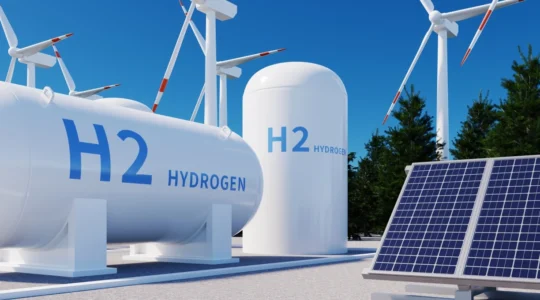
How mobile hydrogen generators are reshaping Off-Grid power solutions
Remote industrial operations have long struggled with the limitations of traditional power generation methods, particularly in locations where grid connectivity remains absent or unreliable. The challenge becomes even more complex when you consider the hidden costs associated with diesel fuel…
Read moreComment optimiser votre consommation d’énergie avec les appareils intelligents
Le gaspillage d’énergie est un problème mondial qui affecte non seulement l’environnement, mais aussi votre portefeuille. Imaginez une maison où les lumières s’éteignent automatiquement lorsque vous quittez une pièce, où le chauffage s’adapte à votre emploi du temps et où…
Read moreExploring how technology enhances everyday living with connected devices?
Imaginez un monde où votre maison anticipe vos besoins, où votre santé est suivie en temps réel, où le stress quotidien est allégé par des assistants intelligents… Bienvenue dans l’ère des objets connectés ! En 2023, le marché mondial des…
Read moreComparative analysis: 400W solar panel UK vs other options
Driven by rising energy costs and a growing awareness of environmental responsibility, the adoption of solar energy is flourishing throughout the United Kingdom. Homeowners and businesses are increasingly looking to renewable energy sources to power their lives and operations. The…
Read moreThe concept of a domesticated goddess in energy management
Imaginez ceci : vous entrez dans votre cuisine, et une sensation vous saisit. La bouilloire semble chauffer plus longtemps que d’habitude, et vous remarquez une légère surchauffe du réfrigérateur. Au lieu de simplement l’ignorer, vous y prêtez attention. Cet instinct,…
Read moreWhy High-Efficiency solar modules are worth the investment today!
Le monde change, et notre approche de l’énergie évolue. L’installation de panneaux solaires connaît une forte croissance, motivée par la nécessité de réduire notre dépendance aux énergies fossiles et notre empreinte carbone. Pensez à un propriétaire indécis face à l’investissement…
Read moreThe benefits of renewable investment funds for future growth: powering profits, people, and the planet
Le secteur des énergies renouvelables est en pleine expansion et devrait attirer des investissements considérables dans les prochaines années. L’urgence climatique et la volonté de réduire notre dépendance aux combustibles fossiles transforment radicalement le paysage énergétique mondial, créant des opportunités…
Read moreHow tidal energy could shape our future power sources
Tidal energy represents a compelling opportunity to address the growing global demand for clean and sustainable power. Unlike many renewable resources which are subject to the whims of the weather, tidal energy offers a remarkably consistent and predictable source of…
Read moreThe importance of light automation for energy efficiency at home
L’éclairage représente une part importante de la consommation d’énergie d’un foyer. Réduire cette consommation est possible, tout en améliorant le confort et la sécurité. L’automatisation offre cette opportunité. Ce guide vous dévoile comment la gestion automatisée de la lumière, bien…
Read moreExploring the best solar kits available in the UK today
With the rising cost of energy and a growing awareness of environmental issues, solar power is becoming an increasingly attractive option for homeowners in the UK. According to a Renewable Energy Association report, the UK saw a 26% increase in…
Read more